DAY 1: Building the foundations of gender-responsive education
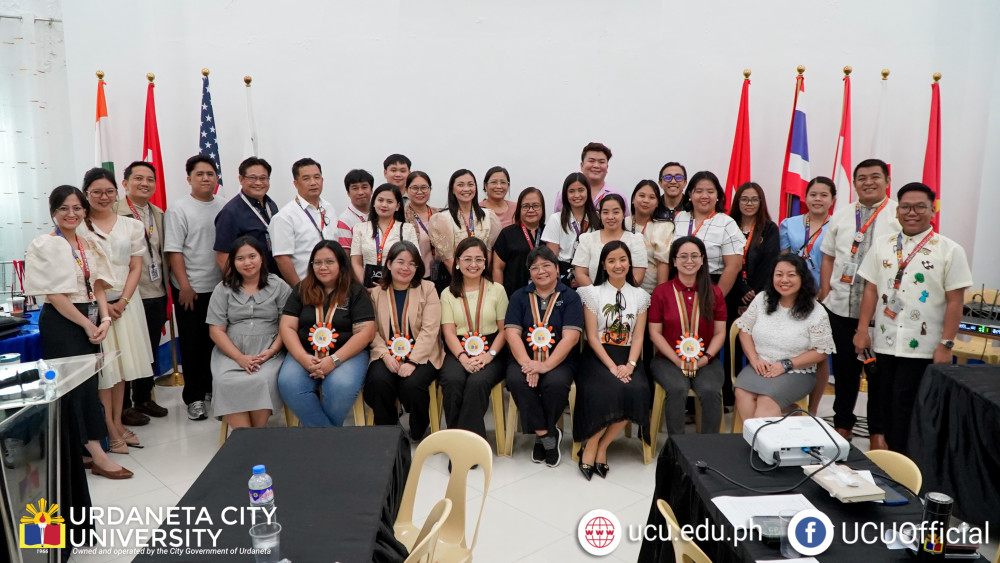
Urdaneta City University advanced its Gender and Development (GAD) initiatives through the Gender-Responsive Education Advancement and Transformation (GREAT) Program, a
three-day capacity-building series held from September 21 to 23, 2026 at the University Conference Room.
Anchored on the theme, "A Capacity
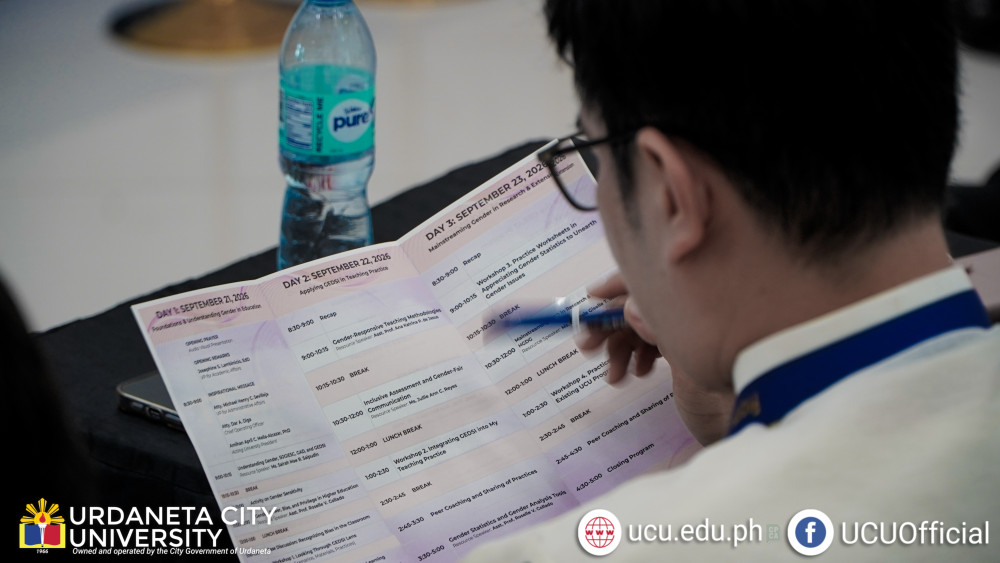
Building Series for Inclusive, Equitable, and Transformative Teaching in Urdaneta City University," the initiative aligns with CHED Memorandum Order No. 1, s. 2015 on GAD mainstreaming in higher education. The program covered the foundations of gender in education, GEDSI application in teaching, and gender mainstreaming in research and extension, supporting SDGs 4, 8, 10, and 17.
The GREAT Program opened on September 21 by establishing a common understanding of gender, SOGIESC, GAD, and GEDSI and examining how these concepts shape experiences within higher education.
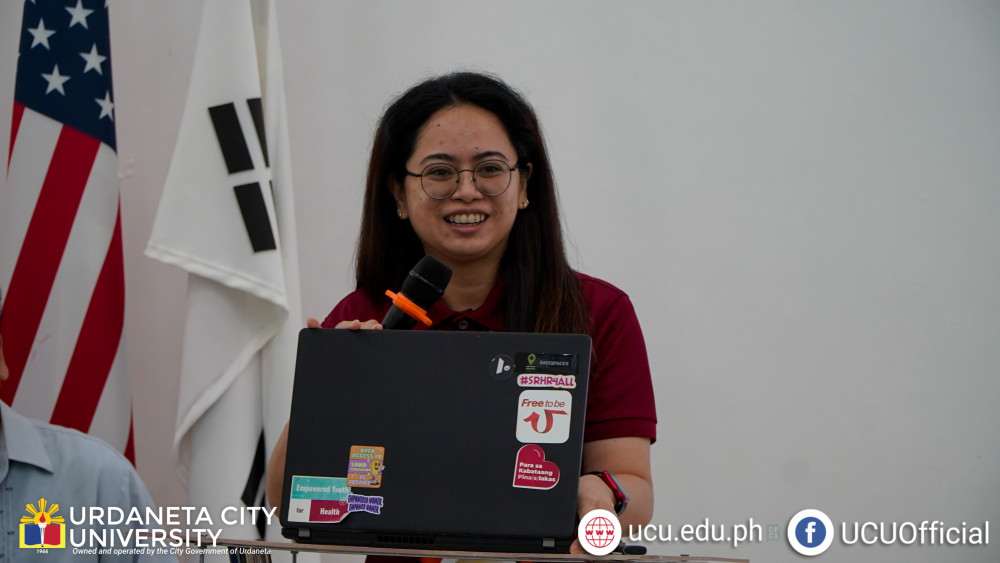
Ms. Sairah Mae R. Saipudin, University Research Association 1 of the University of the Philippines Los Baños (UPLB), led the discussion on "Understanding Gender, SOGIESC,
GAD, and GEDSI," introducing essential concepts and perspectives that serve as the foundation for
gender-responsive practices in the academic setting.
The discussion proceeded to "Gender, Power, Bias, and Privilege in Higher Education," facilitated by Asst. Prof. Roselle V. Collado, Director of the UPLB Gender Center and Institute of Statistics. The presentation examined how power relations, biases, and privilege can in?uence interactions, opportunities, and experiences within academic institutions.
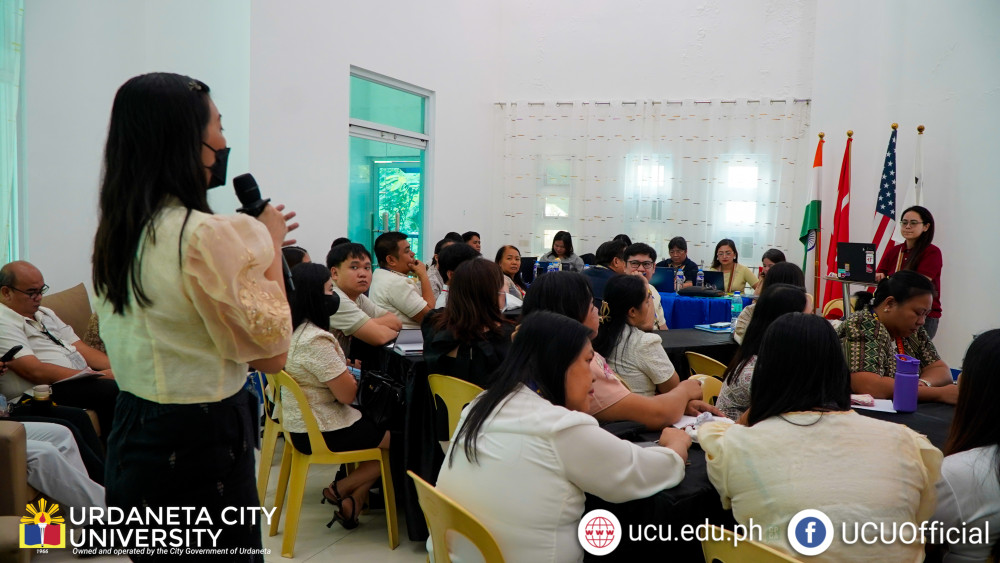
Participants then engaged in a case discussion on recognizing bias in the classroom, allowing them to examine situations in which assumptions or unequal treatment may affect the learning environment.
This was followed by Workshop 1: "Looking through the GEDSI Lens," where participants analyzed scenarios, instructional materials, and existing practices through a gender, equality, disability, and social inclusion perspective.
The day concluded with "Creating Safe, Inclusive, and Accessible Learning Environments," facilitated by Asst. Prof. Ana Katrina P. de Jesus, OASH Coordinator and faculty member of the Department of Humanities. The discussion centered on approaches to creating learning spaces where diverse learners can participate meaningfully and access educational opportunities without barriers.#